
The Complete Purchasing Agent Guide for Global Sourcing
In today’s competitive global marketplace, picking the right purchasing agent can directly shape your business success. If you’ve ever sourced goods from abroad, struggled with supplier communications, or tried to negotiate better pricing on your own, you know how time-consuming and stressful the process can be. A professional purchasing agent acts as your local representative—your eyes and ears on the ground—helping you save time, cut costs, and avoid unnecessary hassle across your entire supply chain.
This guide covers everything you need to know about working with purchasing agents: what they do, how they operate, where to find trusted ones, and how to pick the best match for your business. If you’re building a reliable, profitable global supply chain, this is your go-to resource.
What Is a Purchasing Agent?

A purchasing agent serves as the vital link between your business and overseas suppliers. Think of them as a long-term partner who manages product sourcing, price negotiations, quality checks, and more. Their core mission is straightforward yet critical: to help you source the right products, at the right price, from the right suppliers.
Most purchasing agents focus on global trade. For instance, many U.S. and European businesses hire local agents in China, Vietnam, or India to handle factory sourcing and production follow-up. Recent trade figures show that more than 65% of small and medium-sized importers now work with third-party purchasing agents to lower risks and boost efficiency.
Unlike casual middlemen, professional agents do more than just connect you with suppliers. They vet factories, negotiate terms, arrange quality inspections, and coordinate shipping—overseeing the whole process from start to finish. That makes them a key part of modern supply chains, especially for e-commerce sellers, retailers, and brand owners.
Simply put, a purchasing agent gives you clarity and control in the sourcing market. Whether you’re launching new products or refining your current supply chain, they help you make smarter choices while freeing up your time.
What Does a Purchasing Agent Do?
A purchasing agent’s job goes far beyond just finding suppliers. It combines market research, negotiation, communication, and quality control to keep your orders on track. Here are the core responsibilities you should expect:
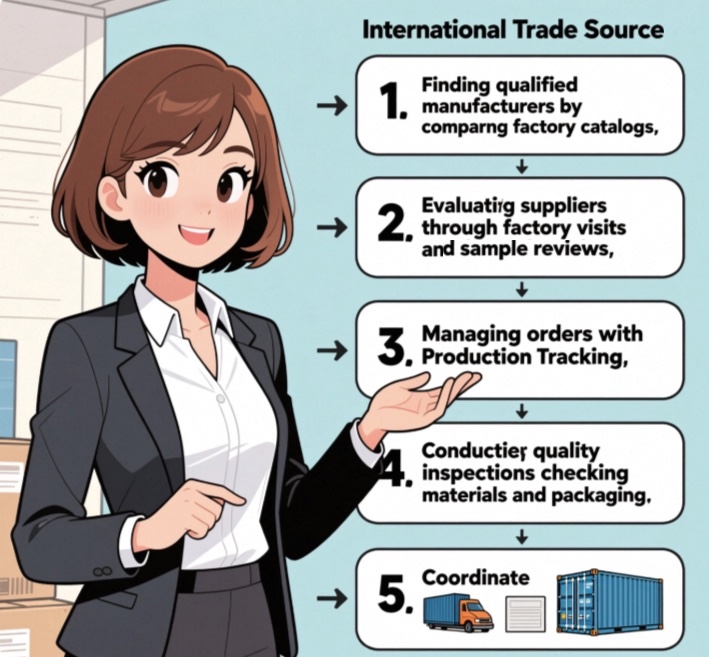
1. Product Sourcing
The top priority is finding qualified manufacturers that match your quality standards and budget. Experienced agents know how to compare multiple factories, review catalogs, and confirm production capabilities—so you don’t just get any supplier, but the right one.
2. Supplier Evaluation & Negotiation
Before any order is placed, agents assess suppliers based on certifications, industry reputation, and production capacity. They often request samples, visit factories, and compare quotes side by side. Once a supplier is chosen, they negotiate pricing, payment terms, and delivery schedules to secure favorable deals for you.
3. Order Management & Follow-Up
After negotiations wrap up, agents manage the full order cycle—from issuing purchase orders to confirming production details. They stay in constant touch with suppliers to track timelines, handle last-minute changes, and make sure deadlines are met. This consistent follow-up cuts down delays and keeps your supply chain running smoothly.
4. Quality Inspection
Professional agents don’t step back once production starts. They arrange on-site or third-party inspections to confirm products meet your agreed specs—including material quality, labeling, and packaging standards. Catching issues early helps you avoid defective shipments and protect your brand reputation.
5. Logistics & Shipping Coordination
Finally, agents handle shipping arrangements. They compare freight options, prepare export paperwork, and track shipments until your goods arrive safely. Many also assist with customs clearance to ensure you follow local import rules. This takes the stress out of cross-border shipping for business owners.
Purchasing Agent vs. Sourcing Company
At first glance, purchasing agents and sourcing companies seem to offer similar services. Both help you find suppliers and buy products from overseas. But they serve different needs and work at different scales. Understanding these differences will help you choose the right partner for your business.
Core Differences
| Aspect | Purchasing Agent | Sourcing Company |
|---|---|---|
| Business Scale | Individual or small independent team | Formal organization with multiple departments |
| Service Scope | One-on-one sourcing, negotiation, order follow-up | Full-chain services: sourcing, audits, branding, logistics |
| Flexibility | Highly flexible, adapts quickly to your needs | Structured, follows company processes and rules |
| Cost Structure | Lower fees, usually commission-based | Higher cost for packaged, full-service solutions |
| Communication | Direct, personal contact | Through account or project managers |
| Best For | SMEs, Amazon sellers, startups, product testing | Large enterprises, multi-category sourcing, complex projects |
How to Choose?
- Choose a purchasing agent if you want direct communication, personalized support, and fast responses. They work great for small orders, product testing, or building close supplier relationships.
- Choose a sourcing company if you want end-to-end support—from product design to shipping—or if you source multiple product lines with strict compliance rules.
Why Your Business Needs a Purchasing Agent
Hiring a purchasing agent isn’t just a convenience—it’s a smart move to make your sourcing simpler, safer, and more cost-effective. If you’ve ever dealt with unresponsive overseas suppliers, language barriers, or unexpected quality problems, an agent can solve these pain points for you.
Save Time & Cut Communication Costs
Working directly with foreign suppliers can be frustrating and slow. Time zone gaps, language barriers, and slow replies often lead to delays and misunderstandings. A local purchasing agent fixes this: they communicate with factories in real time, translate your needs clearly, and make sure nothing gets lost in translation.
A 2024 importer survey found that over 70% of small businesses saved at least 20 hours per week after hiring a local purchasing agent. That’s time you can use to grow your business instead of chasing suppliers.
Lower Your Sourcing Risks
Overseas sourcing comes with risks: fake suppliers, poor quality goods, hidden fees, and more. A purchasing agent vets suppliers, performs factory audits, and monitors production from start to finish. They act as your on-the-ground safeguard, greatly reducing the chance of costly mistakes.
Get Better Prices & Supplier Access
One of the biggest perks of using an agent is better pricing. With local market knowledge and long-standing supplier relationships, they can negotiate better deals than most foreign buyers can on their own.
They also bring a wide network of verified factories, giving you more choices, more competitive quotes, and faster turnaround. Whether you’re sourcing in China, Vietnam, or India, a good agent can help you cut costs by 10–30% without sacrificing quality.
Better Quality & Supply Chain Transparency
Checking product quality remotely is tough. A purchasing agent provides consistent oversight—from raw material selection to final packaging. They send regular updates, photos, and inspection reports so you always know what’s happening on the factory floor.
This keeps quality consistent and makes your entire supply chain more transparent. With a trusted agent managing production locally, you stay in control without having to be there in person.
How to Find a Reliable Purchasing Agent
A reliable agent can lower your costs and prevent headaches; a bad one can waste your time and hurt your business. Here’s how to find and verify agents you can truly trust.
Key Evaluation Factors
| Factor | What to Check | Why It Matters |
|---|---|---|
| Industry Experience | Agents with experience in your product category (electronics, furniture, apparel, etc.) | They understand production details and common quality risks specific to your industry |
| Communication Skills | Response speed, clarity, and willingness to share regular updates | Clear communication prevents misunderstandings and keeps projects on track |
| Quality Control Process | How they handle pre-production, in-line, and final inspections | A proven system ensures consistent quality and catches issues early |
| Pricing Transparency | Detailed fee structure with no hidden charges | Transparent pricing helps you budget accurately and avoid surprises |
| References & Reviews | Client testimonials, case studies, and third-party reviews | Real feedback from other businesses validates their reliability and performance |
Where to Look
- Industry Directories: Alibaba Supplier Services, Global Sources Agent Directory
- Professional Networks: LinkedIn, industry trade shows, sourcing conferences
- Referrals: Ask other importers in your network for recommendations
- Local Chambers: Contact chambers of commerce in your target sourcing countries
Red Flags to Avoid
- Unwillingness to provide references or client contacts
- Vague pricing or hidden fees
- Poor communication or slow response times during initial contact
- No physical office or verifiable business registration
- Pressure tactics or unrealistic promises
Best Practices for Working with Your Purchasing Agent
Once you’ve found the right agent, setting up a successful partnership requires clear expectations and good communication. Follow these best practices:
1. Set Clear Expectations from Day One
Before starting, define your quality standards, budget limits, timeline requirements, and communication preferences. Put everything in writing to avoid misunderstandings later.
2. Establish Regular Communication
Schedule weekly or bi-weekly check-ins to discuss progress, address concerns, and plan next steps. Use video calls when possible to build stronger relationships.
3. Share Detailed Product Specifications
Provide comprehensive product briefs including materials, dimensions, colors, packaging requirements, and quality benchmarks. The more detail you give, the better results you’ll get.
4. Request Regular Updates and Documentation
Ask for photos, production reports, and inspection certificates throughout the process. This keeps you informed and provides documentation if issues arise.
5. Build a Long-Term Relationship
Treat your agent as a strategic partner, not just a vendor. Long-term relationships lead to better service, priority handling, and deeper market insights.

Frequently Asked Questions
How much do purchasing agents charge?
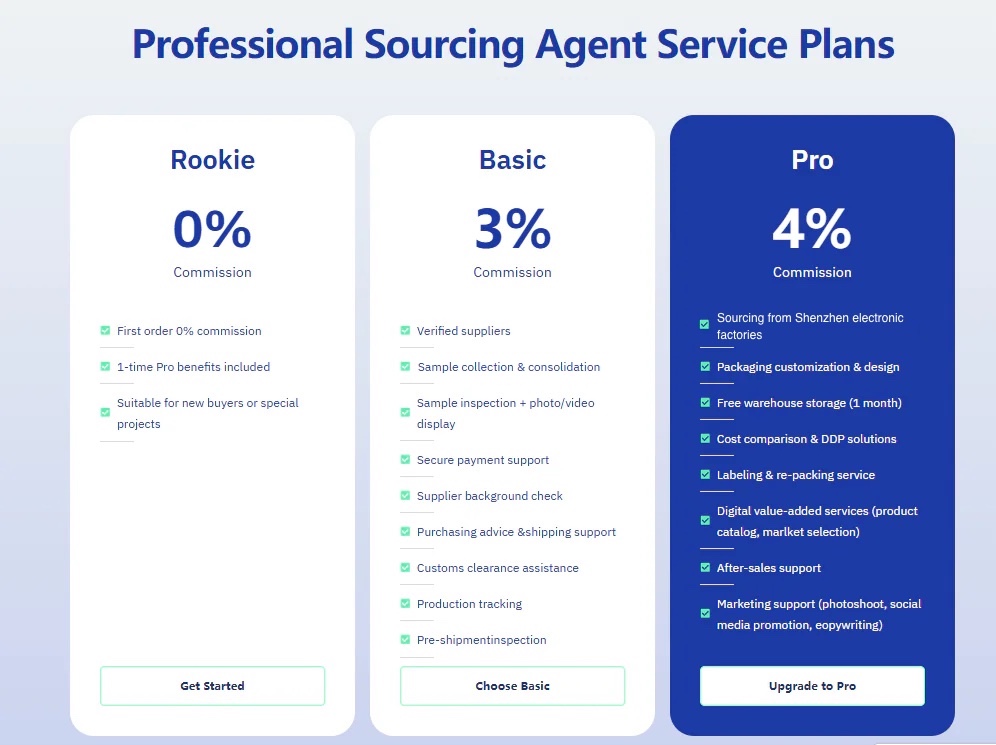
Most agents charge either a commission (typically 3-10% of order value) or a flat fee per project. Some offer hybrid models. Always ask for a detailed breakdown before committing.
Can I work with multiple agents?
Yes, many businesses work with different agents for different product categories or regions. Just ensure clear communication to avoid conflicts of interest.
What if I’m not satisfied with the agent’s performance?
Most reputable agents offer satisfaction guarantees or trial periods. Address concerns directly first, and if issues persist, review your contract terms for termination options.
Do I still need to visit suppliers in person?
While not always necessary, periodic visits can strengthen relationships and provide deeper insights. Your agent can help arrange and coordinate these visits when needed.
Conclusion: Building a Successful Global Sourcing Strategy
In today’s interconnected global economy, a skilled purchasing agent is more than just a service provider—they’re a strategic asset that can transform your supply chain from a cost center into a competitive advantage.
By understanding what purchasing agents do, how to find the right one, and how to build a productive partnership, you can source products more efficiently, reduce risks, and focus on growing your core business.
Remember: the goal isn’t just to find any agent, but to find the right partner who understands your business, shares your values, and is committed to your long-term success.
Ready to take your global sourcing to the next level?
Start by identifying your specific needs, then reach out to a few qualified agents for consultations. The right partnership could be the key to unlocking new growth opportunities for your business.